Kensington and Chelsea council rules for pavement flower displays
Posted on 03/10/2026
If you're planning pavement flower displays in Kensington and Chelsea, the details matter more than you might expect. A neat row of planters can make a shopfront feel warm, generous, and properly cared for. But the same display can also create problems if it blocks pedestrians, narrows access, or clashes with local expectations. That's why understanding Kensington and Chelsea council rules for pavement flower displays is not just a box-ticking exercise; it's part of running a considerate, compliant frontage in a busy part of London.
In this guide, we'll walk through how pavement flower displays usually work in practice, what councils tend to care about, where people go wrong, and how to set up something attractive without causing headaches. You'll also find a step-by-step approach, a practical checklist, and answers to common questions. Truth be told, it's often the small things - clear walking space, stable pots, no trailing stems - that make the biggest difference.
Table of Contents
- Why Kensington and Chelsea council rules for pavement flower displays Matters
- How Kensington and Chelsea council rules for pavement flower displays Works
- Key Benefits and Practical Advantages
- Who This Is For and When It Makes Sense
- Step-by-Step Guidance
- Expert Tips for Better Results
- Common Mistakes to Avoid
- Tools, Resources and Recommendations
- Law, Compliance, Standards, or Best Practice
- Options, Methods, or Comparison Table
- Case Study or Real-World Example
- Practical Checklist
- Conclusion
- Frequently Asked Questions
Why Kensington and Chelsea council rules for pavement flower displays Matters
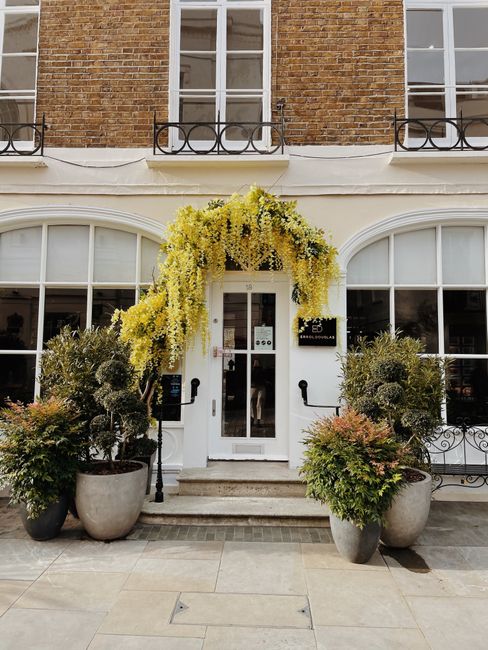
Kensington and Chelsea is the sort of place where the pavement is doing a lot of work. People are walking to restaurants, boutiques, stations, schools, galleries, and offices. Deliveries turn up. Parents with buggies pass through. Wheelchair users, older residents, and shoppers with bags all need a clear route. In a setting like that, a flower display is never just decoration. It becomes part of the street environment.
That's why the council's expectations matter. Even if a display looks beautiful, it still has to be safe, accessible, and respectful of the public highway. A display that spills into the route, topples in the wind, or creates a pinch point can quickly become a problem. And, to be fair, councils are usually responding to the real-world messiness of streets, not trying to spoil anyone's fun.
There's also a reputational side. A well-kept display suggests care. It says the business or property owner notices the small details. A shabby, cluttered, or obstructive one says the opposite. In a borough with high footfall and a strong visual standard, that difference really shows.
Practical takeaway: the goal is not simply to "put flowers outside". The goal is to create a frontage that looks welcoming while keeping the pavement safe, open, and easy to use.
How Kensington and Chelsea council rules for pavement flower displays Works
There usually isn't a one-size-fits-all flower rule that covers every street, every frontage, and every layout. In practice, pavement flower displays tend to be judged by a mix of access, safety, and street management considerations. That means the council may look at where the display sits, how much space it leaves, whether it can be moved, and whether it interferes with pedestrians or other highway users.
Most disputes or refusals tend to come down to simple practical questions:
- Can two people pass without having to step into the road?
- Is there enough space for a wheelchair or buggy?
- Could someone trip over the base, pot, or plant arrangement?
- Does the display block signage, shop access, or a neighbouring frontage?
- Will it stay put in wind, rain, and general London weather?
Those questions sound basic, but they are the heart of the issue. A beautiful floral arrangement is only part of the picture. The other part is the street itself - uneven paving, passing crowds, bins, deliveries, and the occasional gust that makes a lightweight planter wobble like it's had one too many coffees.
If your display is temporary, seasonal, or tied to a special event, the expectations may be different from a permanent arrangement. A wedding florist outside a venue, for example, may have a different risk profile from a cafe keeping pots out all summer. The principle stays the same, though: don't turn the pavement into an obstacle course.
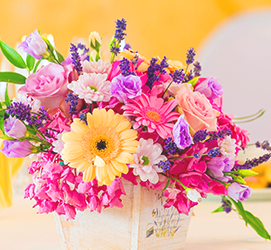
If you are already browsing floral ideas for a shopfront or venue, you may find it useful to look at the style range available through all flowers or specific seasonal looks such as summer flowers, then adapt the display so it works on the street rather than only in the window.
Key Benefits and Practical Advantages
When done properly, pavement flower displays do more than just brighten the street. They can support the business and the neighbourhood in very practical ways.
- Stronger kerb appeal: flowers soften hard paving and make a frontage feel cared for.
- Better visibility: a tidy display can draw the eye without being loud or cluttered.
- Customer welcome: people often notice a thoughtful entrance before they notice anything else.
- Seasonal flexibility: displays can change with the weather, events, or trading pattern.
- Brand personality: the right colours and shapes can echo the tone of the business.
- Local goodwill: a well-managed display is usually seen as adding to the street rather than taking from it.
There's a quieter benefit too. A good display can help define the edge of a business without feeling harsh. On a busy Kensington and Chelsea street, that matters. It creates a little pause, a visual breath. People slow down, look twice, maybe step closer. That is not magic. It is just good presentation.
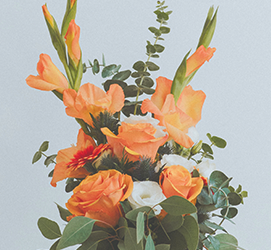
For businesses that want a more polished look, premium arrangements like luxury flowers or a carefully chosen florist choice arrangement can work well, provided the display is scaled properly for the pavement and kept stable.
Who This Is For and When It Makes Sense
This topic is relevant to more people than you might think. It's not just for florists. If you manage a shopfront, cafe terrace, venue entrance, hotel frontage, or private building with a visible pavement edge, the rules and practical expectations matter.
- Florists: especially those designing outside displays for events or regular retail frontage.
- Independent shops and cafes: where flower pots or planters are part of the customer welcome.
- Hospitality venues: including restaurants, boutique hotels, and event spaces.
- Property managers and landlords: if frontage presentation and public access are both their responsibility.
- Event organisers: weddings, launches, and seasonal activations that briefly use the pavement edge.
It makes sense to think about the rules before you buy containers, flowers, or branded planters. Once you've spent time and money on something tall or ornate, it's painful to discover it doesn't fit the space or the council's expectations. Nobody wants that awkward moment where a lovely arrangement has to be moved before lunch. Bit of a mood killer, really.
One useful clue: if the display is on or near a public pavement, assume accessibility and safety will matter. Then plan from there, rather than hoping it will be "fine".
Step-by-Step Guidance
Here's a practical, sensible way to approach pavement flower displays in Kensington and Chelsea.
1. Measure the space properly
Start with a real measurement, not a guess. Look at the full width of the pavement, the position of doors, kerbs, poles, bins, and any existing street furniture. Measure where people naturally walk, not just where the paving slabs end. You'd be surprised how often a display looks "small enough" until it lands outside and suddenly feels enormous.
2. Decide whether the display is fixed or movable
Movable displays are usually easier to manage because they can be brought in, repositioned, or removed when needed. Fixed installations can look tidy, but they may bring more scrutiny and more maintenance responsibility. If there's any doubt, simple movable planters are often the safer starting point.
3. Keep a clear pedestrian route
The display should never force people into the road or create a narrow squeeze point. Leave enough width for comfortable two-way movement, and think about how the street works at busy times. A quiet weekday morning is not the same as a Friday evening in the run-up to dinner service.
4. Choose stable containers and low-risk planting
Heavy, stable pots are usually better than light containers that can shift in wind or get knocked over. Avoid spiky, trailing, or brittle arrangements that can snag clothing or shed debris all over the place. Low, dense planting often works better than tall, top-heavy pieces. The wind in London has a habit of finding weak spots. It's very considerate like that. Not.
5. Test for visibility and accessibility
Stand back and look at the display from pedestrian eye level. Can someone see the route ahead? Can a person using a mobility aid pass safely? Can a parent push a buggy without sidestepping? If the answer to any of those is "maybe", it probably needs adjusting.
6. Build a maintenance routine
Flowers fade, soil spills, and water drips onto the pavement. That means your display needs a routine. Deadhead, tidy, wipe down containers, and check for instability daily if the frontage is busy. A display that starts polished but turns scruffy after a week can create the wrong impression very quickly.
7. Review it in poor weather and at peak times
A setup that looks fine in daylight and calm air may behave differently after rain, wind, or a crowded Saturday. Check it at the times when the street is most active. This small habit saves trouble later. Honestly, it's one of the easiest ways to avoid an avoidable problem.
If the floral scheme is part of a wider shopfront refresh, you may also want to think about how the display connects with the rest of the visual story. Browsing by style - for example best sellers or a softer palette like white flowers - can help you choose something elegant without overloading the pavement.
Expert Tips for Better Results
In our experience, the best pavement displays are rarely the most complicated ones. They're the ones that feel calm, intentional, and easy to live with.
- Use fewer, better pieces: three well-placed planters often look better than eight crowded ones.
- Match colour to the frontage: keep the flowers in conversation with the building rather than fighting it.
- Choose durable stems: outdoor displays are not the place for the most delicate arrangements.
- Keep branding subtle: the flowers should do the welcoming, not shout over the whole street.
- Check sightlines from both directions: what looks tidy from one angle can block another.
- Plan for watering: overspill on pavements creates slips and muddy edges, which nobody wants.
A small but important tip: place displays where they frame the entrance, not where they interrupt the natural flow of feet. That sounds obvious, yet it's where many layouts go wrong. People should feel guided, not diverted.
If you are choosing flower types for longer street exposure, arrangements with a bit of resilience - maybe a basket-style design or mixed seasonal planting - can work better than very fragile blooms. A front-of-house display should still feel fresh at 5pm, not like it gave up at 11:30.
Common Mistakes to Avoid
These are the errors that cause the most friction, and they're usually easy to avoid once you know what to watch for.
- Blocking the footway: the biggest and most obvious issue.
- Using lightweight containers: they tip, slide, or get blown about.
- Overcrowding the frontage: more is not always better.
- Ignoring maintenance: wilted flowers and spilled water make a display feel neglected.
- Forgetting accessibility: what looks fine to one person may be impossible for another to pass.
- Assuming every street is the same: one frontage may work beautifully, while the next needs a different layout entirely.
Another common misstep is choosing a display that's lovely in photographs but awkward in real life. The camera doesn't have to wheel a buggy past the pots. People do.
If your display is intended for a more formal business frontage, keep an eye on proportion. A compact, elegant arrangement often suits a narrower pavement far better than a sprawling set of pots with no obvious route through them.
Tools, Resources and Recommendations
You do not need a complicated toolkit, but a few practical items make street-side flower displays much easier to manage.
- Measuring tape: for checking available pavement width accurately.
- Weighted or stable planters: to reduce movement and tipping.
- Watering cans or controlled irrigation: to prevent excess spill.
- Soft brushes or cloths: for removing fallen petals or soil.
- Replacement blooms or reserve stock: useful when a display needs a quick refresh.
- Simple photo records: to track what worked well across seasons.
It also helps to keep a small record of what's been installed, when it was watered, and any changes made after busy periods. That may sound a touch fussy, but in practice it saves time. You know where things stand, and if someone raises a concern, you can respond with specifics rather than guesswork.
For businesses that want to coordinate flower displays with delivery schedules or recurring gifting, useful starting points include flower delivery in North Kensington, delivery information, and the florist's about us page for a sense of style and service approach. Those links won't replace local permission or street judgment, but they can help when you're selecting flowers that need to look good on day one and day three.
Law, Compliance, Standards, or Best Practice
When people talk about pavement flower displays, they often jump straight to "Can I put it there?" The safer question is: Can I put it there without unreasonably affecting the public highway? That's the real spirit of compliance.
In a borough like Kensington and Chelsea, the main concerns are usually:
- Public access: pedestrians must be able to pass safely.
- Trip and collision risk: no unstable bases, sharp edges, or hidden obstacles.
- Visibility: displays should not create blind spots near doors, corners, or crossings.
- Maintenance: anything placed outside needs proper upkeep.
- Local permissions: some setups may need council consent or may be restricted by site-specific conditions.
Because local expectations can vary by street, frontage, and type of use, it's wise not to assume that a display acceptable in one place will be acceptable in another. Best practice is to check the exact situation before committing to a permanent or semi-permanent arrangement. If you are unsure, treat the display as something to be assessed, not something automatically permitted.
Good practice usually looks like this:
- keep the display tidy and movable where possible
- preserve a clear, generous route for pedestrians
- avoid sharp, brittle, or unstable materials
- monitor the setup after weather changes
- remove damaged or fading stock promptly
That approach is simple, but it works. And in most street-facing settings, simple is the best kind of professional.
Options, Methods, or Comparison Table
Different pavement display methods suit different premises. Here's a practical comparison to help you think it through.
| Display method | Best for | Strengths | Trade-offs |
|---|---|---|---|
| Small movable planters | Narrow pavements, shops, cafes | Flexible, easy to adjust, usually lower risk | May look modest if under-scaled |
| Grouped decorative pots | Wider frontages, formal entrances | Strong visual impact, easy to reconfigure | Can become cluttered if overdone |
| Seasonal window-to-pavement styling | Retail shops, florists, boutiques | Good brand cohesion, flexible by season | Needs regular upkeep and clear planning |
| Event-only floral display | Weddings, launches, special occasions | High visual payoff for a short period | Timing and removal must be tightly managed |
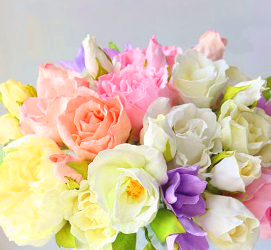
For many businesses, a movable seasonal setup is the easiest route. It gives you visual interest without locking you into something hard to manage. If you need a slightly more formal tone, a coordinated arrangement in a refined style, such as a soft pastel mix or a classic white palette, can be a strong choice - just keep the footprint sensible.
Case Study or Real-World Example
Imagine a small independent florist near a busy Kensington and Chelsea high street. The shop wants a pavement display that makes the entrance feel inviting during the spring and early summer. The first idea is bold: several tall planters, trailing flowers, and a decorative sign. It looks lovely in the shop. Outside, though, it narrows the walking route and feels a bit much once people start passing in both directions.
The florist steps back and simplifies the plan. Instead of using five mixed containers, they use three weighted planters, each with hardy seasonal flowers and a low profile. The display sits tight to the frontage, leaving a clear route on the pavement. At peak times, staff check that fallen petals are cleared and no water has pooled around the bases.
The result is not flashy, but it works. Customers still notice it. People still pause. The display reads as thoughtful rather than obstructive. That's the sweet spot, really. Not a showpiece that makes everyone edge around it, but a frontage that quietly does its job.
In a borough where streets are busy and standards are visible, this sort of measured approach often performs better than a grand gesture. The flowers become part of the welcome, not part of the problem.
Practical Checklist
Use this checklist before placing any pavement flower display outside.
- Have I measured the available space accurately?
- Will pedestrians still have a clear and comfortable route?
- Is the display stable in wind, rain, and general foot traffic?
- Are the containers weighted or secure enough for street use?
- Could anyone trip, snag clothing, or brush against sharp edges?
- Will the display work for wheelchairs, buggies, and mobility aids?
- Have I checked whether permissions or local conditions may apply?
- Is there a cleaning and watering routine in place?
- Does the display still look good from both directions along the pavement?
- Can I remove or reposition it quickly if needed?
If you can answer "yes" to all or most of those, you're in much better shape. If not, pause and refine the plan. A little extra thought now saves a lot of awkwardness later.
Get a free quote today and see how much you can save.
Conclusion
Getting pavement flower displays right in Kensington and Chelsea is really about balance. You want beauty, welcome, and character - but never at the expense of access, safety, or good street manners. The council rules and expectations exist because pavements are shared space, and shared space works best when every user is respected.
If you keep the display compact, stable, tidy, and easy to pass, you'll already be ahead of many weaker setups. Add thoughtful flower choice, regular maintenance, and a bit of common sense, and the result can be genuinely lovely. Not overworked. Not awkward. Just right.
And that's the real goal, isn't it? A frontage that feels alive, generous, and easy to enjoy - the kind of display people remember on the walk past, even if they can't quite say why.
Frequently Asked Questions
Do I need permission for pavement flower displays in Kensington and Chelsea?
Often, yes, or at least some form of approval may be relevant depending on the exact location and setup. Because the pavement is public space, councils tend to care about access, safety, and placement. It's best not to assume a display is automatically allowed just because it is small or decorative.
What is the safest type of pavement flower display?
A low, stable, movable display is usually the safest starting point. Heavier pots, compact planting, and a clear pedestrian route all help. In general, the less likely the display is to tip, block, or shed debris, the better.
How much pavement space should I leave clear?
There is no single rule that fits every frontage, so you should not guess. The practical aim is to leave a clear and comfortable route for all pavement users, including wheelchairs and buggies. If the route starts feeling narrow or awkward, the display is probably too large.
Can I put flower baskets outside my shop without checking first?
It is risky to assume that you can. Even attractive baskets can become an obstruction if they project too far, drip water, or make the pavement awkward to use. A quick check before installation is much better than being told to move them later.
Are hanging baskets better than floor-standing planters?
Not always. Hanging baskets reduce clutter at ground level, but they can still cause issues if they overhang the walkway, drip heavily, or obstruct sightlines. Floor-standing planters are easier to control, though they take up surface space. The right choice depends on the street and frontage.
What flowers work best for outdoor pavement displays?
Hardier blooms and mixed seasonal planting usually work better than delicate stems. You want something that keeps its shape, handles weather changes, and still looks fresh after a full day outside. A display should be decorative and resilient, which is a slightly boring combo, but a very useful one.
How often should pavement flower displays be maintained?
Busy frontages should be checked daily, especially in warmer weather or after heavy rain. That usually means watering, removing damaged stems, cleaning around the base, and checking that pots have not shifted. A neglected display can become untidy quickly.
Can a flower display cause a trip hazard?
Yes. Low pots, uneven bases, trailing stems, excess water, and spilled soil can all create hazards. Even a lovely display can be a problem if it is not stable and tidy. The safest displays are usually the ones that look simple from a pedestrian's point of view.
What should I do if my display is in a windy spot?
Use heavier containers, lower arrangements, and a layout that does not catch the wind too much. If the frontage is especially exposed, avoid tall, top-heavy pieces. It is far easier to adjust the design than to keep rescuing knocked-over pots every afternoon.
Are there different rules for a temporary event display?
There can be. Temporary event displays may be treated differently from permanent frontage features, but they still need to be safe and not obstructive. Weddings, launches, and seasonal activations often need more planning because they happen under time pressure.
How do I make a pavement flower display look professional?
Keep it proportionate, well-spaced, and well-maintained. Choose flowers that suit the building and the season. Avoid clutter, and make sure the display frames the entrance instead of fighting with it. Professional usually means controlled, not crowded.
What if I want a more luxurious look without making the pavement messy?
Go for a refined palette, fewer containers, and stronger structure in the arrangement. Luxury does not need to mean oversized. In fact, a restrained arrangement often looks more premium, especially in a borough where visual clutter stands out quickly.